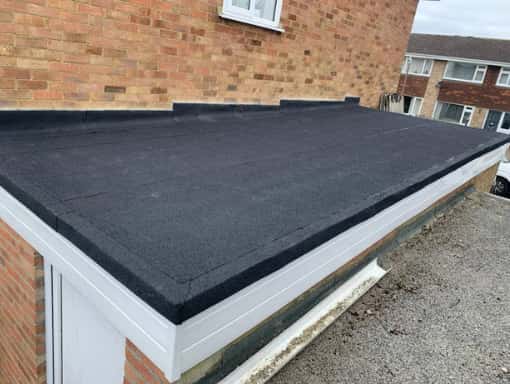
Flat roof problems are not always as straightforward as they appear. A visible split, damp patch or area of standing water may indicate a local defect, but it can also be a symptom of deterioration elsewhere in the roofing system. Carrying out a repair without identifying the underlying cause may provide only temporary relief.
A professional flat roof inspection establishes the condition of the covering, drainage, joints, edges and underlying materials. This information allows the repair to be matched to the actual defect rather than relying on assumptions.
For property owners in Ramsgate, Kent, an accurate assessment can make the difference between a focused, effective repair and recurring water ingress.
What Does a Professional Flat Roof Inspection Reveal?
The True Source of Water Ingress
The place where water becomes visible inside a property is not necessarily where it entered the roof. Moisture can travel beneath the covering, along roof decking or through insulation before reaching a ceiling.
An inspection examines the complete affected area and looks for likely entry points. These may include failed seams, splits, punctures, damaged flashing or weaknesses around outlets and roof penetrations. Tracing the route of the moisture helps ensure the correct section is repaired.
Whether the Damage Is Localised or Widespread
A small isolated defect may be suitable for a targeted repair, particularly when the surrounding covering remains secure and serviceable. However, cracking in several areas, widespread blistering or repeated leaks can indicate more extensive deterioration.
A professional inspection determines how far the problem has spread. This prevents unnecessary disturbance to sound areas while also reducing the risk of repairing one visible defect and overlooking others nearby.
The Condition of the Roof Covering
Flat roofs can be finished with different materials, each of which develops its own signs of wear. The inspection should consider the material’s age, flexibility, adhesion and general condition.
Warning signs can include:
- Cracks, splits or punctures
- Raised seams or loose laps
- Blistering and bubbling
- Brittle or shrinking material
- Surface deterioration
- Previous patches beginning to fail
- Openings around edges and penetrations
Understanding how the covering has deteriorated helps determine which repair method and materials are appropriate.
Whether Standing Water Is Contributing to the Problem
Flat roofs are designed with a slight fall to direct water towards drainage points. When water remains on the surface, it can place additional pressure on vulnerable joints and accelerate deterioration in the covering.
Ponding may be caused by blocked outlets, inadequate falls or movement within the roof structure. Simply sealing a nearby split will not correct the drainage problem. A proper inspection identifies why water is collecting so that the repair can address both the damage and its cause.
The Condition of Joints, Edges and Flashing
The most vulnerable parts of a flat roof are often its details rather than the main surface. Seams, perimeter edges, upstands and flashing around adjoining walls or roof penetrations all need to remain securely sealed.
Minor separation in these areas can allow water beneath the covering even when the main field of the roof appears sound. Careful inspection of these junctions is therefore essential before deciding on the scope of the repair.
Whether Moisture Has Reached the Underlying Layers
Water may remain trapped beneath a flat roof covering without producing immediate internal signs. Over time, this moisture can affect insulation, decking and other supporting components.
Soft areas, movement underfoot or changes in the surface profile can indicate concealed deterioration. Where necessary, closer investigation can establish whether the damage is limited to the covering or whether affected underlying materials also require attention.
Why the History of the Roof Matters
Previous leaks and repairs provide useful clues about the roof’s present condition. A single successful patch on an otherwise sound roof is very different from several overlapping repairs in the same area.
If problems continue to return, the original cause may not have been fully addressed, or the surrounding material may have deteriorated beyond the patched section. Reviewing the roof’s repair history helps determine whether another localised repair is likely to remain effective.
Choosing the Most Appropriate Repair
Once the defect and its extent are understood, a suitable repair can be planned. Depending on the findings, this may involve:
- Sealing a localised split or puncture
- Repairing a failed seam
- Renewing damaged flashing or perimeter details
- Correcting an outlet or drainage issue
- Replacing an affected section of the covering
- Addressing damaged decking beneath the surface
The aim is to resolve the source of the problem while retaining serviceable roofing materials wherever appropriate.
Why Professional Technique Matters
Flat roof repairs depend on more than applying a sealant over the visible damage. The area must be prepared correctly, compatible materials must be used, and joints must be formed so that water can continue to drain effectively.
Poorly prepared patches may trap moisture, separate from the existing covering or create raised edges where water collects. Professional workmanship helps the repair integrate with the existing roof and provides a more dependable result.
When Should an Inspection Be Arranged?
A professional inspection is advisable if you notice:
- Damp marks or water dripping indoors
- Standing water that remains after rainfall
- Cracks, bubbles or lifting seams
- Soft or uneven areas on the roof
- Deterioration around edges or outlets
- A leak returning after an earlier repair
Prompt assessment can help contain the problem before moisture spreads into a larger area.
Conclusion
The right flat roof repair begins with a clear understanding of the defect. A professional inspection identifies where water is entering, how far the damage extends and whether drainage or concealed components are contributing to the problem.
This evidence allows the repair to address the underlying cause rather than simply covering the most visible symptom. If you are concerned about a flat roof in Ramsgate, Kent, contact The Ramsgate Roofers to arrange a professional inspection and receive practical guidance on the most suitable repair.
Call us on: 01843 264696
Click here to find out more about The Ramsgate Roofers
Click here to complete our contact form and see how we can help with your roofers needs.