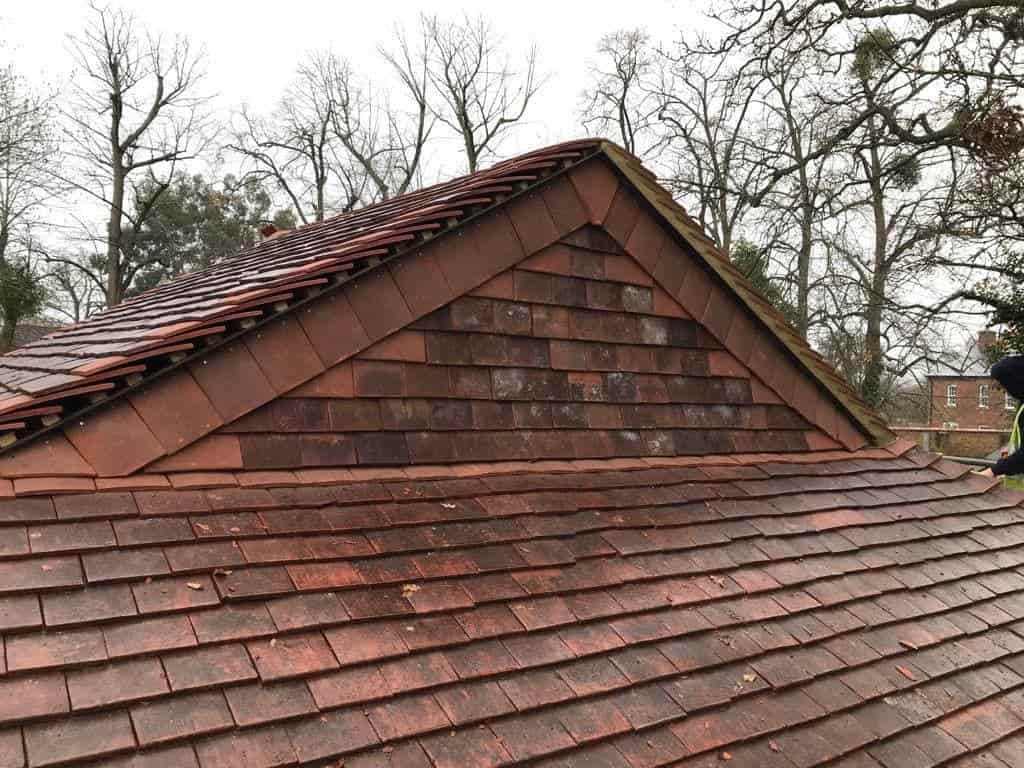
Roofing problems rarely improve by themselves. A small defect that initially causes little noticeable disruption can gradually affect surrounding materials, particularly when the roof continues to face rain, wind and changing weather conditions. Finding the underlying cause early can therefore make a significant difference to how straightforward the problem is to manage.
Early investigation is not simply about locating visible damage. A damp patch, slipped tile or small area of deterioration may only be the symptom of another weakness elsewhere on the roof. Identifying why the problem has developed allows the correct area to be addressed before moisture or movement has an opportunity to affect a wider section.
For property owners in Ramsgate, East Sussex, arranging a professional roof assessment when the first warning signs appear can provide a clearer understanding of what is happening and what work is genuinely required.
Why Does Early Diagnosis Make Roofing Problems Easier to Resolve?
A roof functions as a complete weather-resistant system. Tiles or slates, flashing, ridges, valleys, verges and other details all work together to direct water away from the property.
When one component develops a weakness, surrounding materials may initially continue to provide protection. This is often the stage at which the problem is most contained.
If the defect remains unresolved, repeated exposure to the weather can allow deterioration to spread. What began as one local weakness may eventually involve additional roofing materials or lead to water reaching areas beneath the main covering.
Finding the cause early gives a roofer an opportunity to understand the defect while it is still relatively isolated.
Visible Damage Is Not Always the Actual Cause
One of the difficulties with roofing problems is that the most obvious symptom does not necessarily reveal where the fault began.
A damp mark on an internal ceiling is a good example. Water can enter through one part of the roof and travel along roofing materials or structural components before becoming visible elsewhere.
Similarly, a displaced tile may be obvious from outside, but it is still important to determine whether it moved because of an isolated event or because surrounding materials and fixings have deteriorated.
Professional diagnosis focuses on the cause rather than simply the most visible symptom. This reduces the risk of repairing the wrong area while the original weakness remains.
Small Defects Can Affect Surrounding Roofing Materials
Many roof problems begin within a relatively limited area.
A cracked tile, deteriorated flashing or weakness around a junction may initially affect only one part of the roof. Once water begins passing through that weakness, however, neighbouring materials can become exposed to conditions they were not designed to experience continuously.
Repeated wetting can make the extent of the problem progressively harder to determine.
Early attention helps contain the issue. It also allows the condition of nearby roofing materials to be checked before deciding what type of repair is appropriate.
Early Investigation Can Make Leak Detection Clearer
Roof leaks can become increasingly difficult to diagnose when they have been present for a long time.
When water has only recently started entering, there may be a clearer relationship between the external defect and the internal signs of moisture. As the problem continues, water can spread along different routes and affect several areas.
This can create multiple damp patches even when the original entry point is relatively small.
Investigating a leak at an early stage can therefore make tracing its source more straightforward and provide a better basis for planning an effective repair.
Why Waiting for a Serious Leak Can Be Misleading
Some property owners only become concerned about their roof when water begins entering the building noticeably. However, the absence of a substantial internal leak does not necessarily mean that the roof is performing correctly.
Minor water ingress may initially remain within areas that cannot easily be seen. Likewise, a small external defect may only allow water through during particular combinations of rainfall and wind.
This means a roofing weakness can exist before obvious internal symptoms develop.
Visible warning signs such as displaced materials, deterioration around roof details or recurring minor dampness are therefore worth investigating rather than waiting for a more significant leak.
Early Assessment Helps Determine the Correct Repair
Not every roofing problem requires extensive work.
When a defect is identified while it remains localised, it may be possible to concentrate attention specifically on the affected component. The condition of the surrounding roof can then be assessed to establish whether it remains serviceable.
This is considerably more useful than assuming that every problem requires the same response.
At The Ramsgate Roofers, we assess roofing defects with the aim of understanding what caused them and how the surrounding materials are performing. This helps ensure that recommendations are based on the roof’s actual condition rather than simply the appearance of the latest symptom.
Different Roofing Problems Have Different Causes
Two roofs displaying similar symptoms can have very different underlying faults.
For example, water ingress could potentially relate to:
- damaged or displaced tiles
- deteriorated flashing
- vulnerable roof junctions
- problems around valleys
- deterioration around ridges or verges
- defects around roof penetrations
- weaknesses affecting an older repair
- deterioration beneath the visible roof covering
Because several faults can produce similar symptoms, accurate diagnosis is an important part of professional roof repair.
Finding the cause early reduces the opportunity for one defect to create additional problems that make the original issue harder to distinguish.
Early Repairs Can Protect Otherwise Sound Areas
A localised roof defect does not necessarily mean that surrounding materials are in poor condition.
In many cases, most of the roof may remain perfectly serviceable. The objective is therefore to prevent one problem from compromising areas that are still performing correctly.
Addressing a damaged component promptly can help maintain the integrity of neighbouring sections and preserve the performance of the wider roofing system.
This is one of the main reasons early diagnosis is valuable. It allows work to focus on the actual weakness before the problem has had time to influence a larger area.
Repeated Problems Deserve Wider Investigation
Early attention is particularly important when a roof has developed more than one problem.
If a leak has previously been repaired but dampness returns, or if different faults begin appearing within a relatively short period, simply addressing each symptom separately may not provide the complete picture.
A broader roof assessment can determine whether the problems are genuinely unrelated or whether they share an underlying cause.
For properties in Ramsgate, East Sussex, understanding this distinction can help homeowners make better decisions about ongoing roof maintenance and repairs.
Weather Can Expose Existing Weaknesses
Periods of wind and rain often make roofing problems more noticeable, but the weather is not always the original cause.
A roof detail may already be deteriorating before adverse conditions reveal the weakness. Wind can move roofing materials that are no longer secure, while rainfall can penetrate a junction that has gradually lost its ability to keep water out.
Finding these weaknesses promptly after symptoms appear makes it easier to establish what has happened.
Ignoring them until the next period of poor weather can allow the affected area to deteriorate further.
Professional Inspection Provides Useful Context
Roofing problems should be considered in relation to the rest of the roof.
A professional inspection can assess both the immediate defect and the condition of nearby materials. This provides useful context when deciding whether the issue is genuinely isolated.
For example, one damaged tile surrounded by sound materials presents a different situation from a damaged tile within an area where numerous neighbouring components are also deteriorating.
Understanding this wider condition allows the repair approach to be matched more accurately to what the roof requires.
Avoid Repeatedly Treating the Same Symptom
When the cause of a roofing problem has not been correctly identified, the same symptom can return despite previous attention.
Repeatedly treating an internal damp patch or making minor adjustments around the suspected area may not resolve a defect located elsewhere.
Proper investigation can help avoid this cycle.
Rather than asking only where the water is appearing, it is important to establish how it is entering and why the roofing system is allowing it through.
Once the underlying cause has been identified, a repair can be planned around correcting the actual weakness.
Regular Attention Helps Build a Clearer Picture of Roof Condition
Responding to roofing problems early also makes it easier to understand how the roof is changing over time.
If isolated defects are identified and repaired appropriately, their condition can be distinguished from any future problems that develop elsewhere. This provides a clearer picture of whether the roof remains generally reliable or whether deterioration is becoming more widespread.
That information can be particularly valuable as a roof ages.
Instead of making decisions based on a sudden major problem, homeowners can understand the condition of the roof from the smaller warning signs that have appeared along the way.
Why Professional Roof Diagnosis Adds Value
The value of professional roof repair begins with diagnosis.
Replacing an obviously damaged component may seem straightforward, but understanding why it failed can be equally important. If the underlying reason is overlooked, the same problem or a related defect may eventually return.
A careful assessment considers the affected area, surrounding materials and relevant roof details before determining an appropriate solution.
For homeowners in Ramsgate, this approach helps ensure that roofing work is directed towards the cause of the problem rather than simply its most obvious symptom.
Conclusion
A roofing problem is generally easier to manage when its cause is found early because the defect is more likely to remain localised and easier to diagnose. Early investigation can help prevent water ingress or deterioration from affecting surrounding materials while providing a clearer understanding of what repair is actually needed.
Small warning signs should therefore not be dismissed simply because the roof is still providing reasonable protection. A slipped tile, developing damp patch or deteriorating roof detail can provide an early indication that part of the roofing system requires attention.
If you have noticed signs of a roofing problem at your property in Ramsgate, East Sussex, contact The Ramsgate Roofers. We can assess the affected area, identify the likely cause and recommend an appropriate repair based on the condition of your roof.
Call us on: 01843 264696
Click here to find out more about The Ramsgate Roofers
Click here to complete our contact form and see how we can help with your roofer needs.